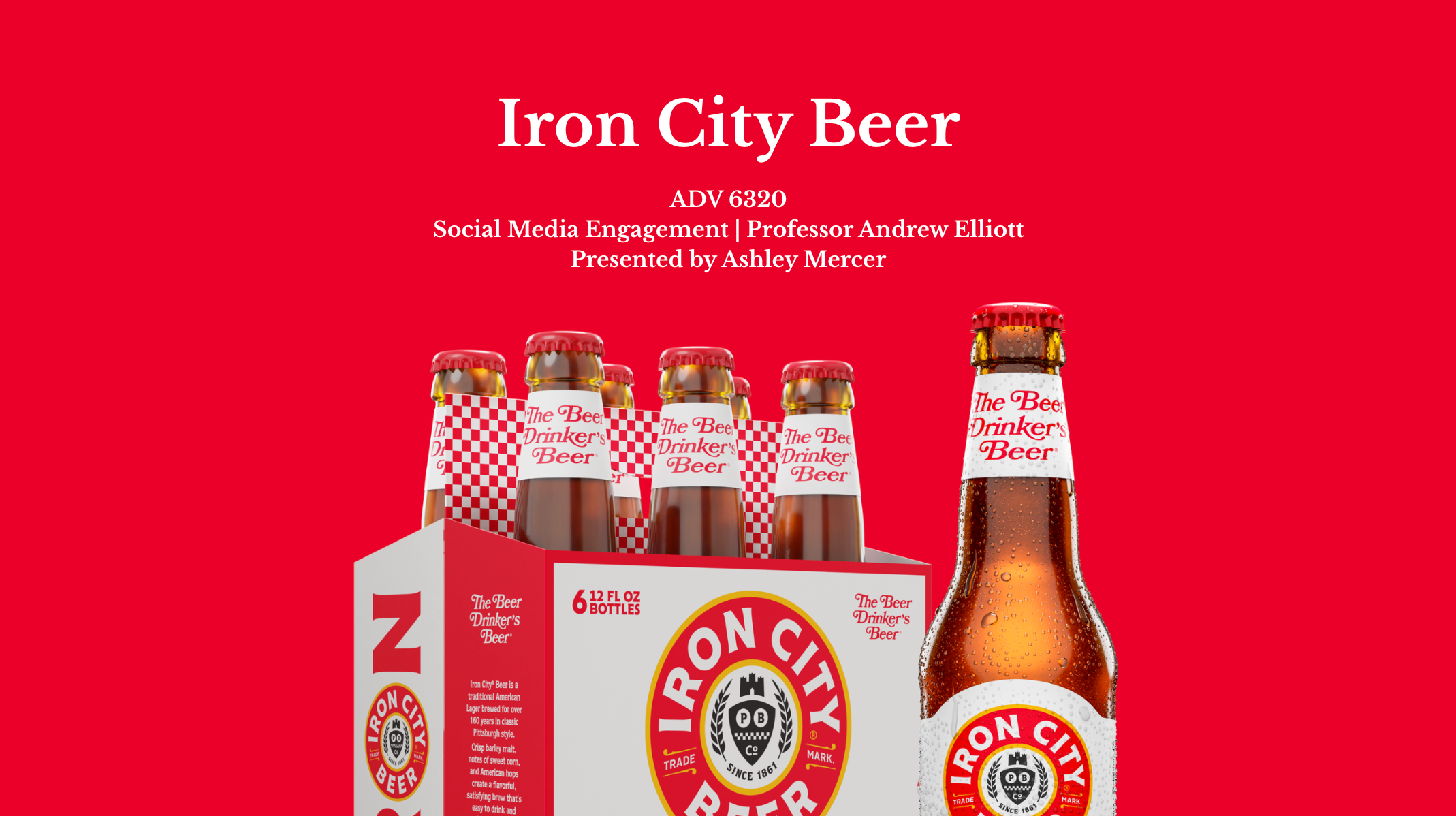
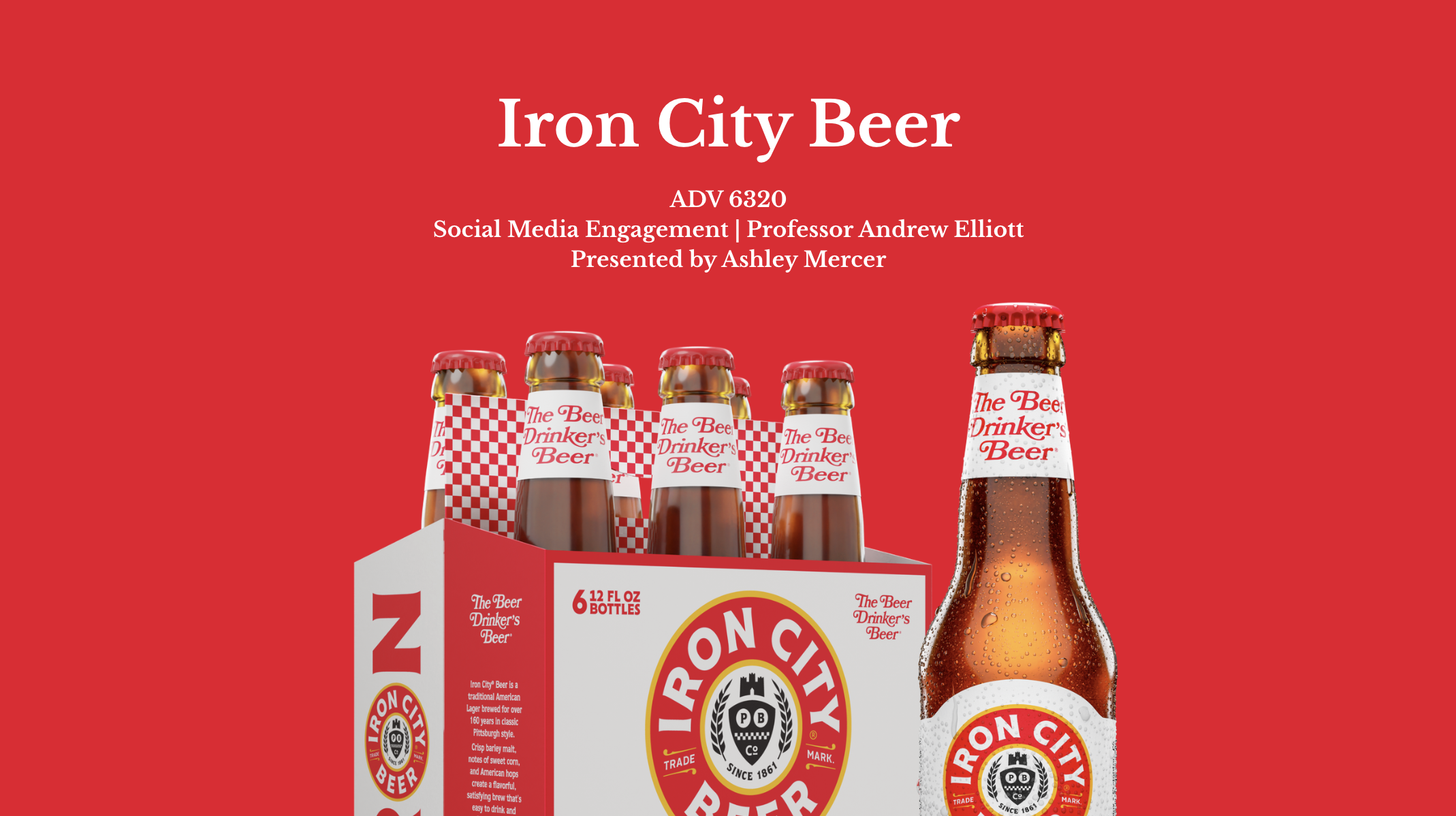
Iron City Beer Case Study
Project Overview
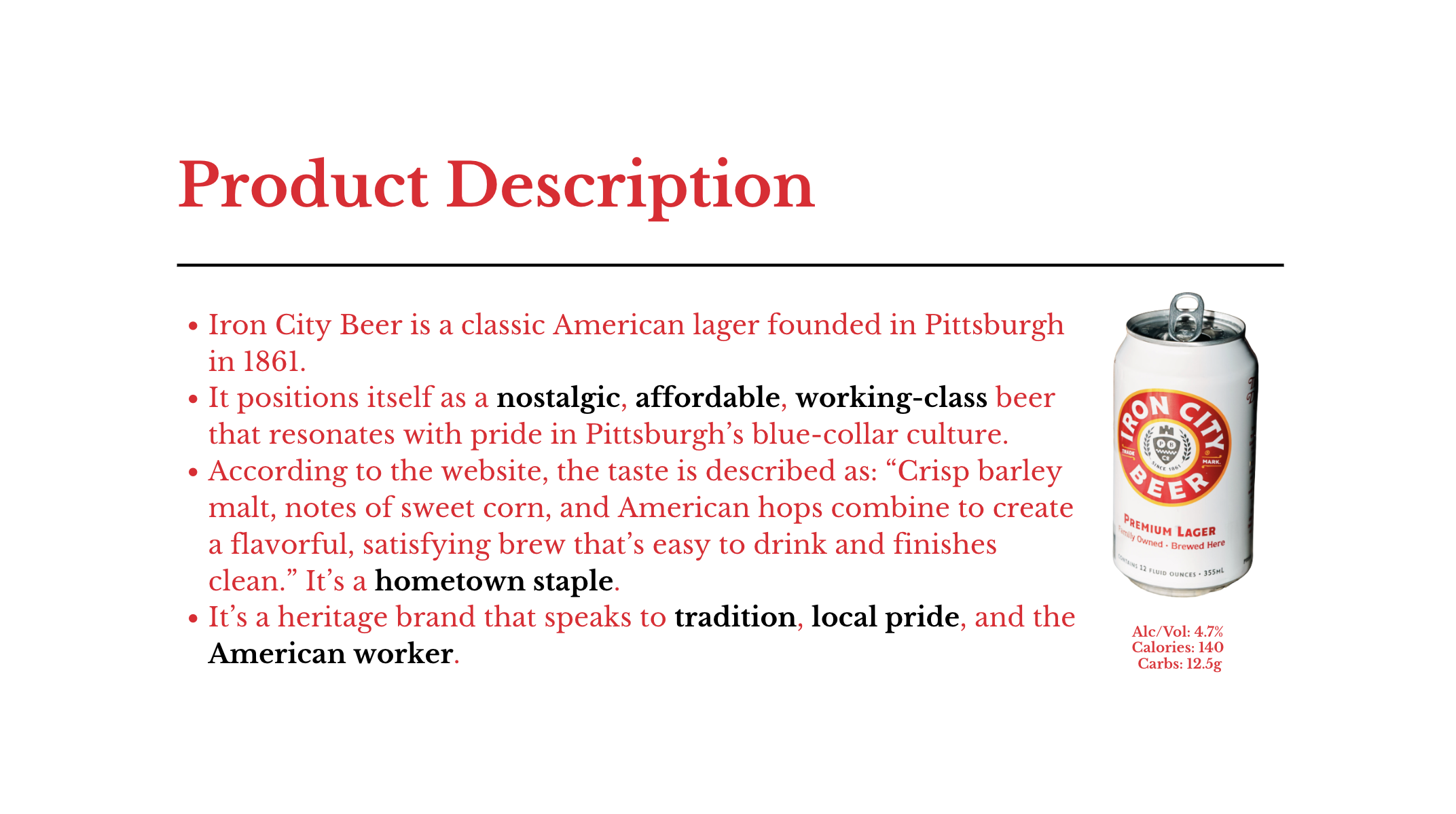
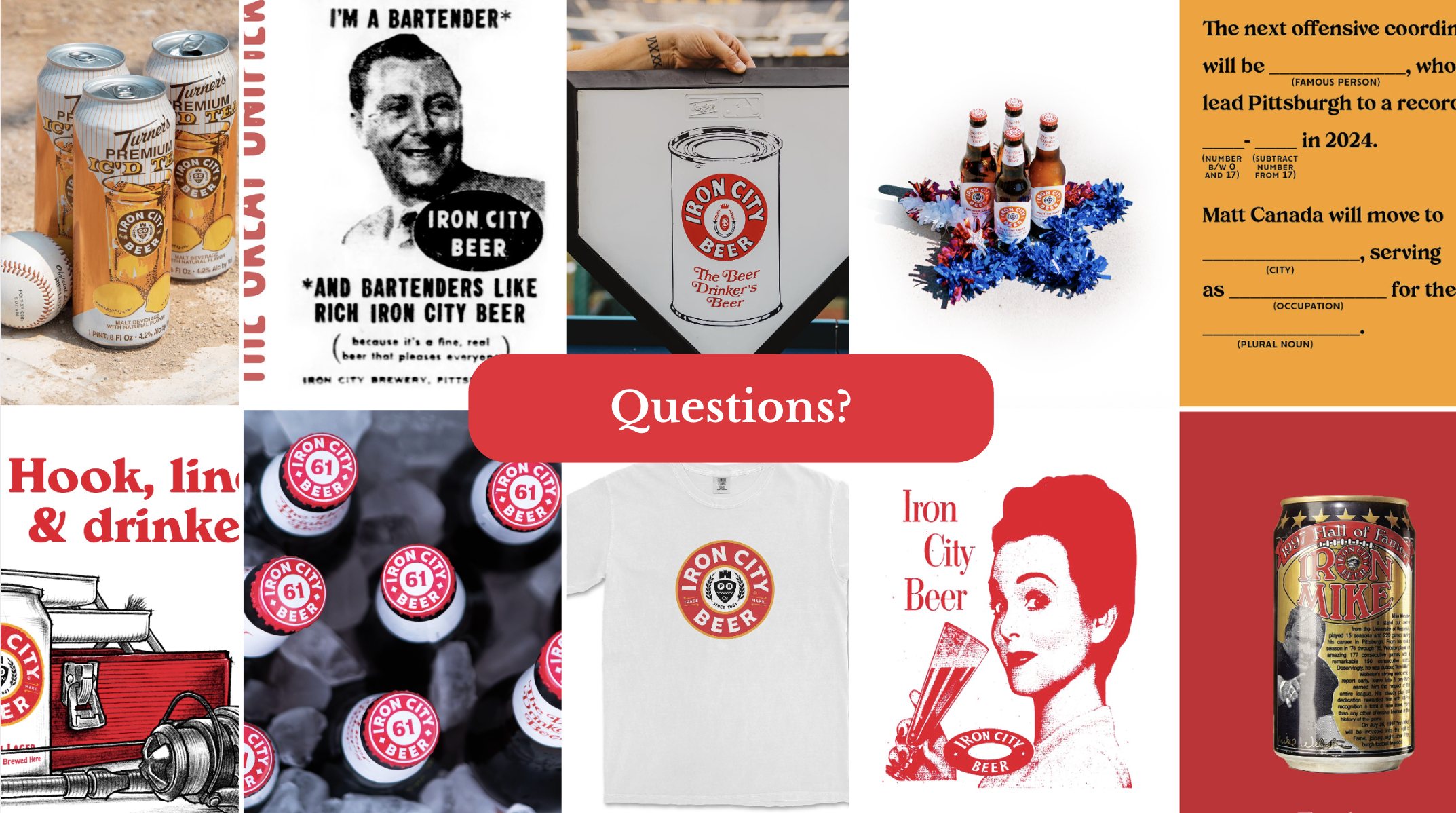
In SMU’s graduate-level course, ADV 6320: Social Media Engagement Strategies, taught by Professor Andrew Elliott, I was assigned Iron City Beer as my client for the duration of the semester. Iron City Beer, founded in Pittsburgh in 1861, is one of America’s oldest and most regionally iconic beer brands, deeply embedded in the working-class identity and sports culture of Pittsburgh. Over the course of four interconnected assignments, I developed a comprehensive, research-backed digital marketing strategy covering audience segmentation, transmedia storytelling, influencer marketing, and a full social media plan. Each deliverable built on the last, resulting in a cohesive case study that treated Iron City Beer as a real client with real strategic challenges.
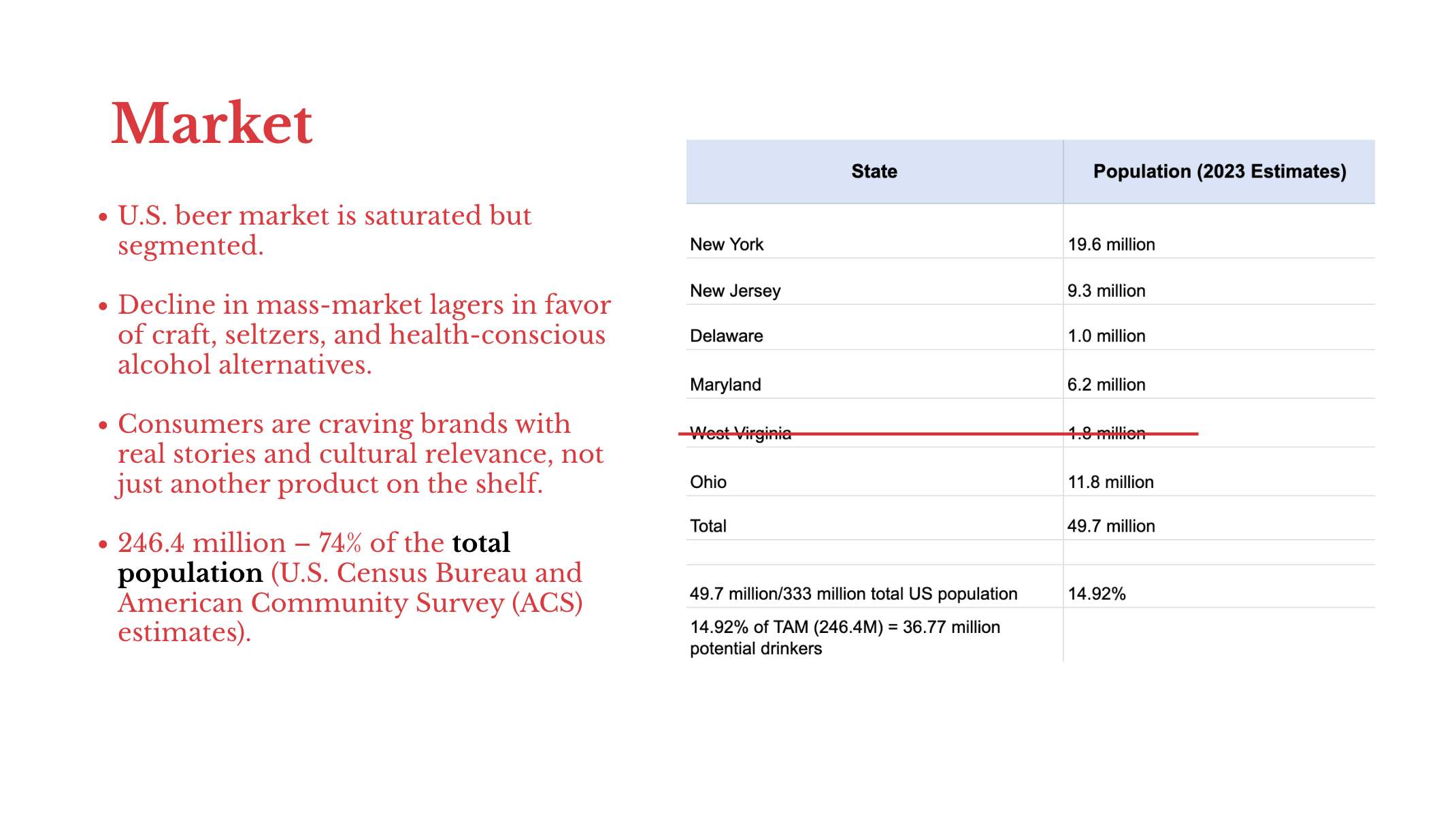
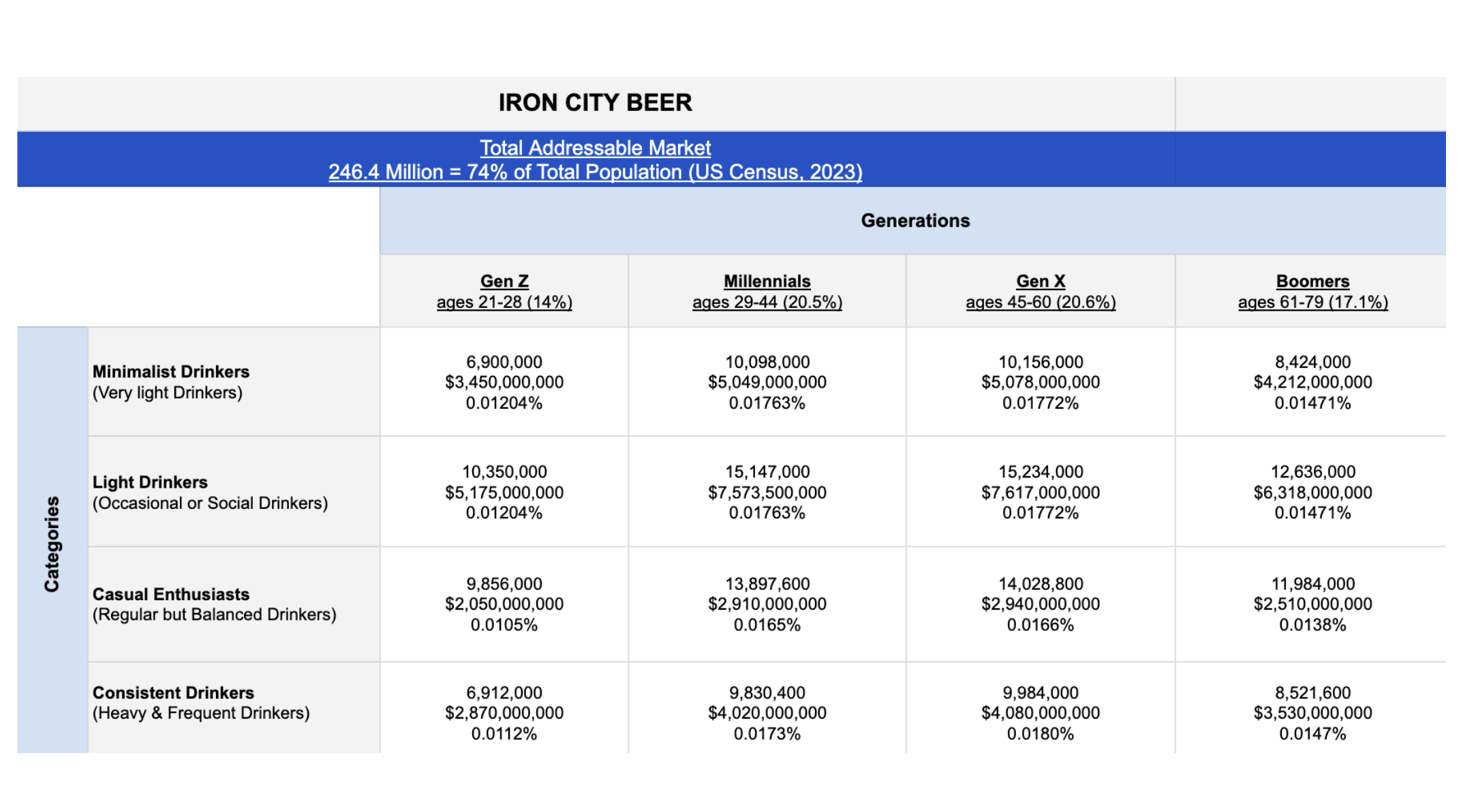
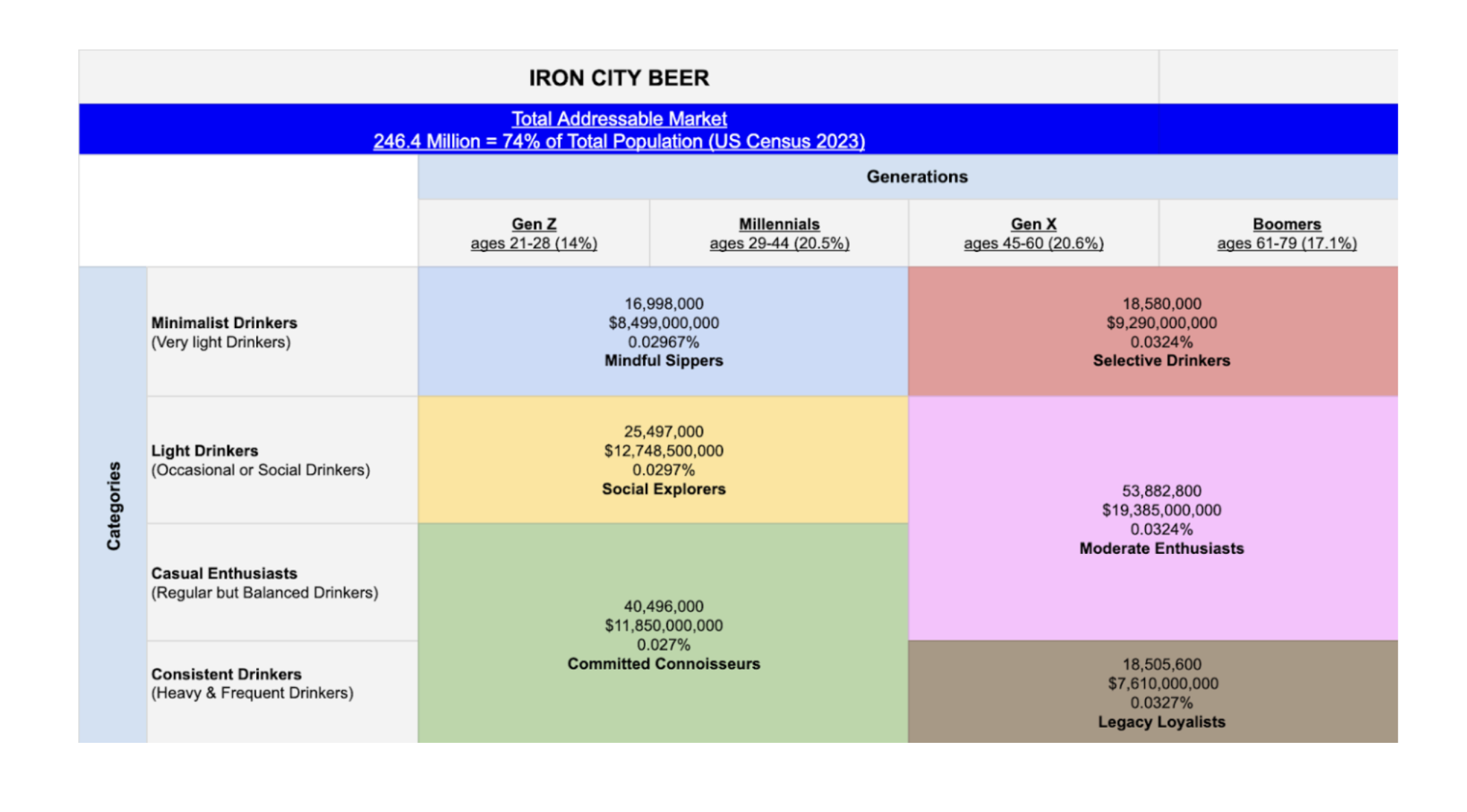
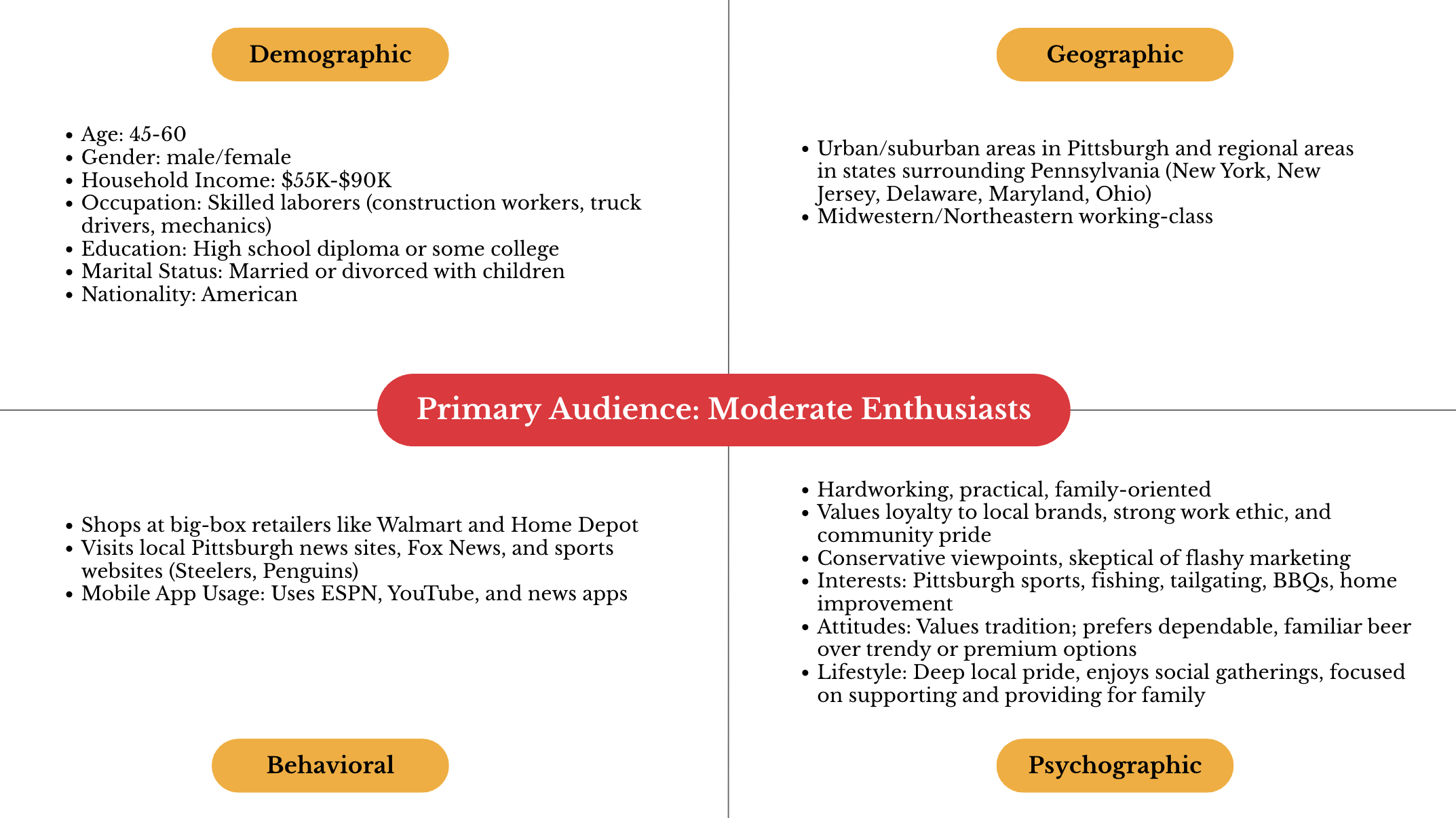
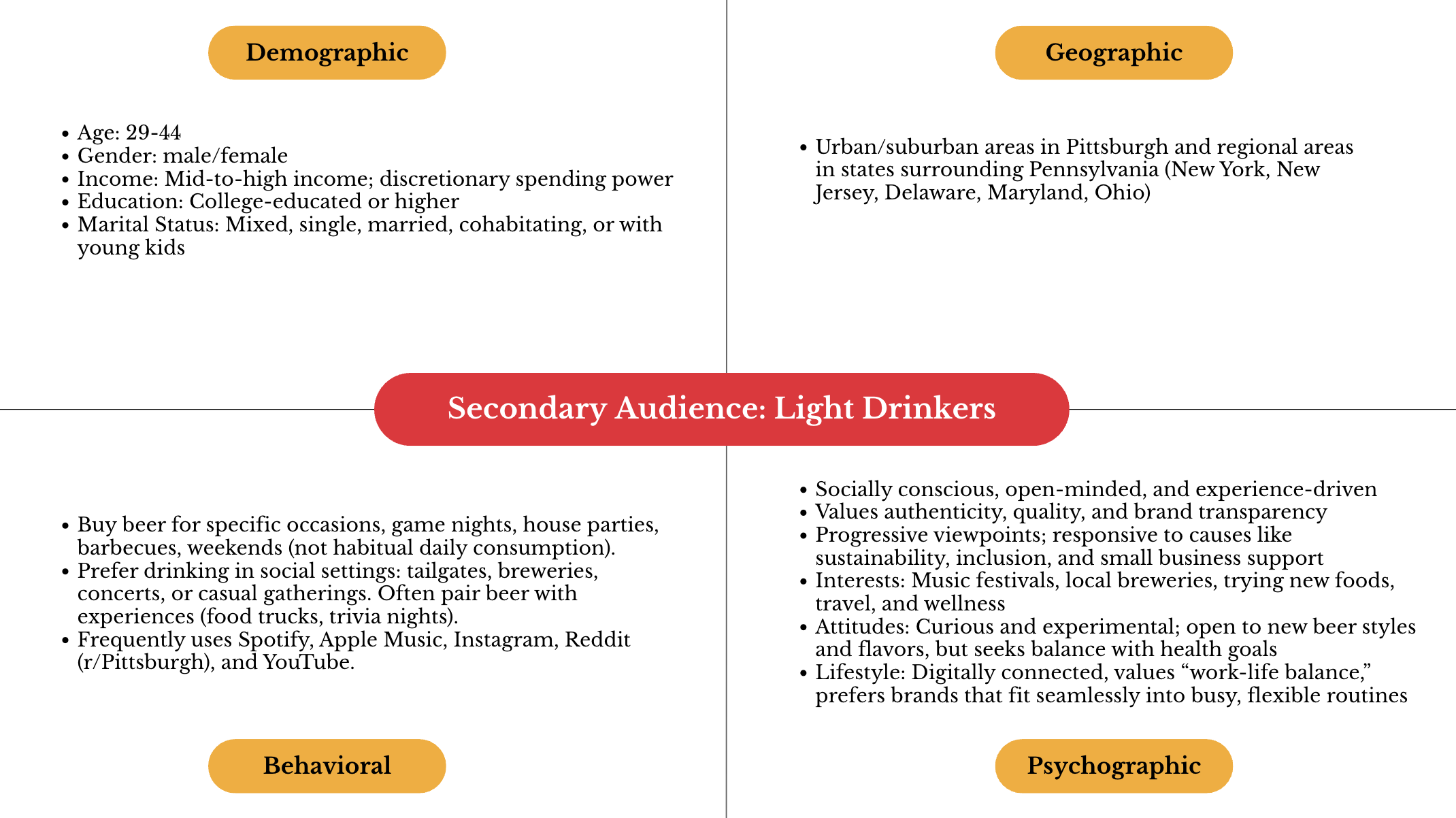
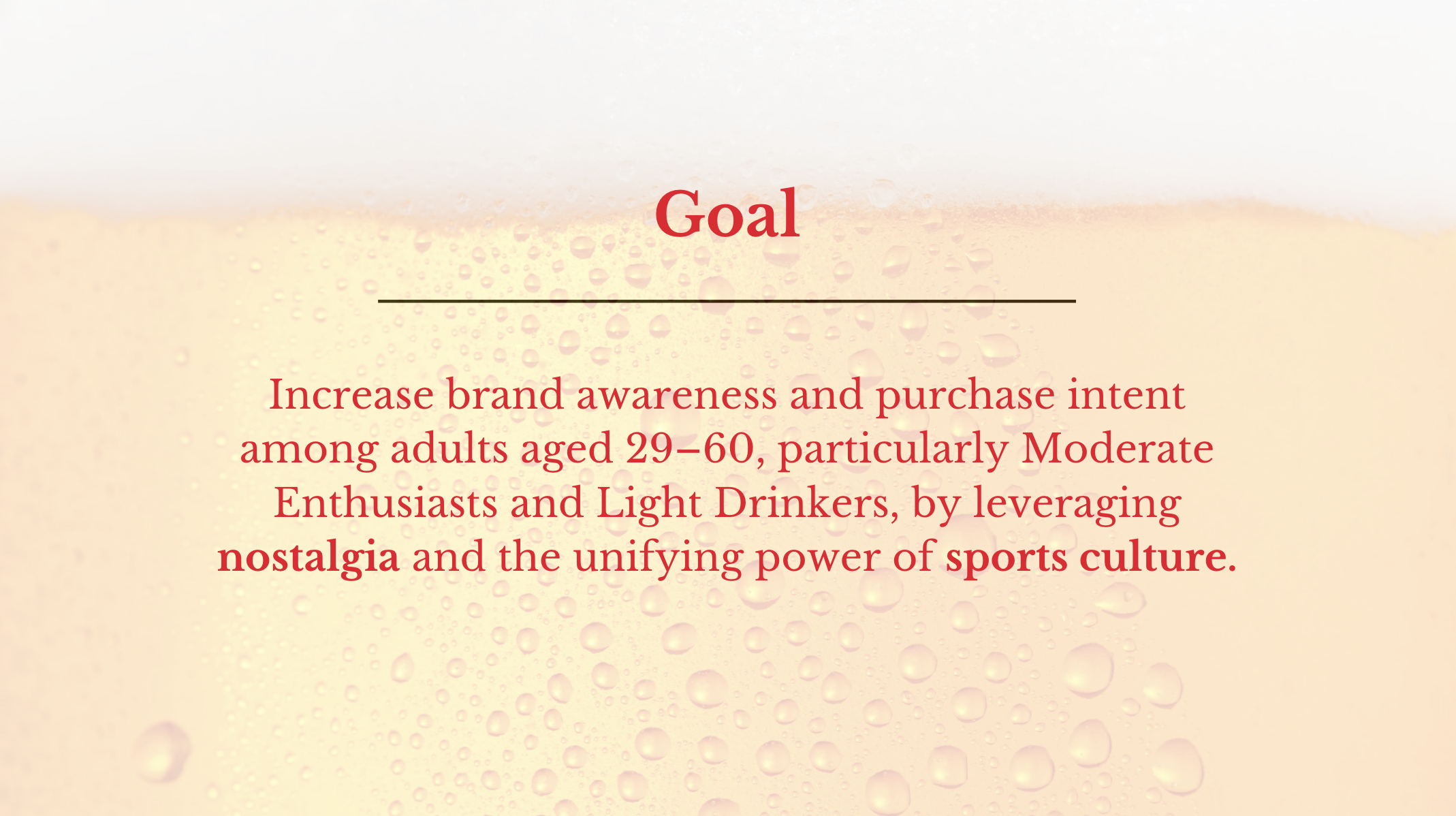
The project began with a thorough market analysis. Using MRI-Simmons data, U.S. Census Bureau figures, and Statista, I identified and sized two primary market segments: Moderate Enthusiasts (males ages 45–60, skilled laborers with household incomes of $55K–$90K and strong Pittsburgh loyalty) and Social Explorers (adults ages 21–35, including college students and young professionals seeking social, affordable, and authentic brand experiences). I cross-referenced these segments against a total addressable market of 246.4 million U.S. adults-representing 74% of the U.S. population based on Census 2023 data, and built out generational breakdowns by drinking behavior category, including Minimalist Drinkers, Light Drinkers, Casual Enthusiasts, and Consistent Drinkers. This segmentation work provided a data-driven foundation for every subsequent strategic recommendation.
Research & Key Findings
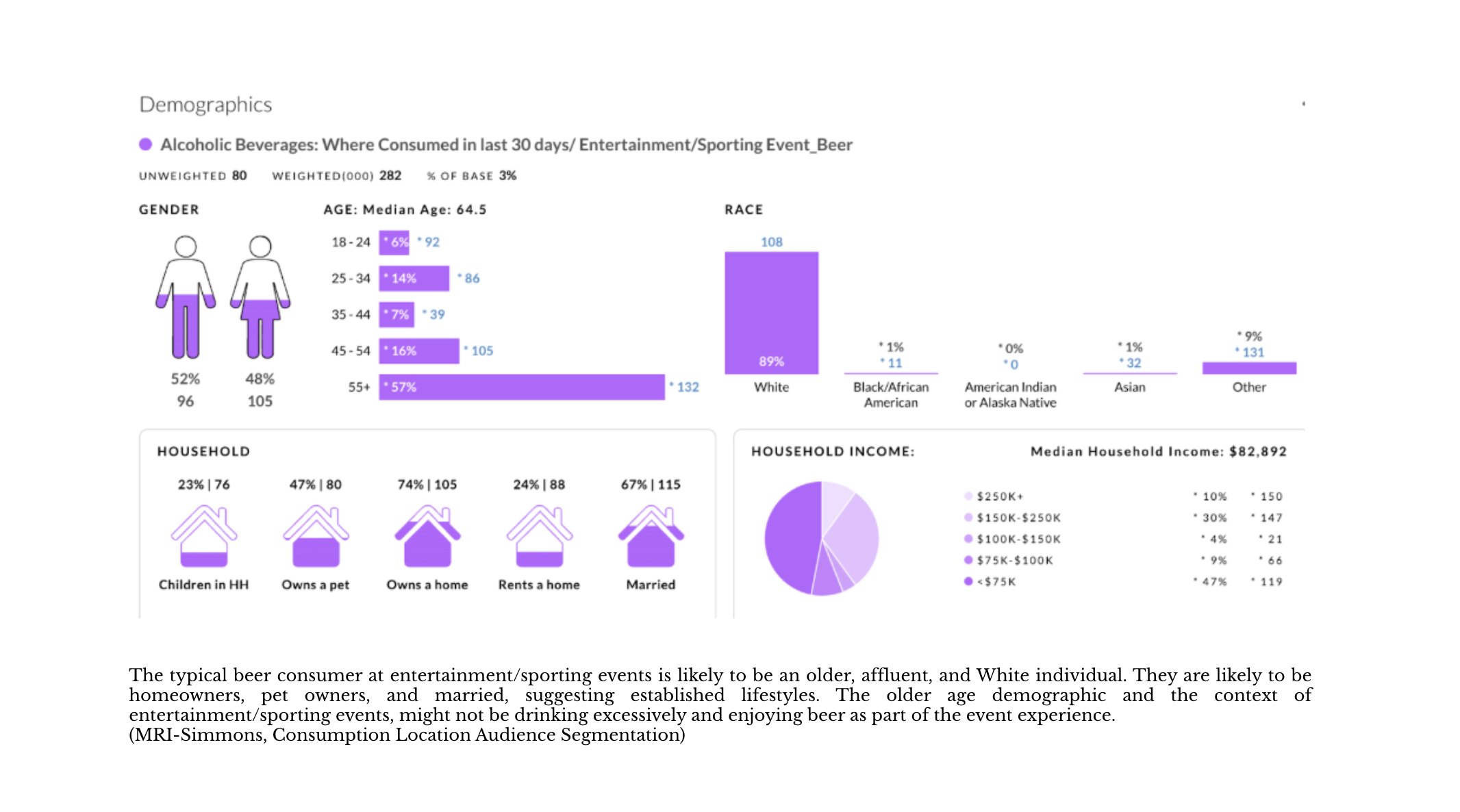
One of the most valuable aspects of this project was the breadth of research tools and databases I engaged with. Beyond MRI-Simmons and Statista, I drew from WalletHub rankings, Gallup polling on alcohol consumption trends, Pew Research Center generational data, and the Brewers Association’s national beer statistics. This multi-source approach taught me how to triangulate insights across qualitative and quantitative data-and how to translate raw numbers into actionable audience portraits. For example, MRI-Simmons’ consumption location segmentation revealed that the typical beer drinker at sporting events skews older, affluent, and established, which directly reinforced the profile of the Moderate Enthusiast and shaped the brand’s sports-centric messaging strategy. Meanwhile, MRI-Simmons buying style data highlighted the importance of promotions for price-sensitive “Penny Pincher” consumers, informing the value-driven tactics recommended throughout the campaign.
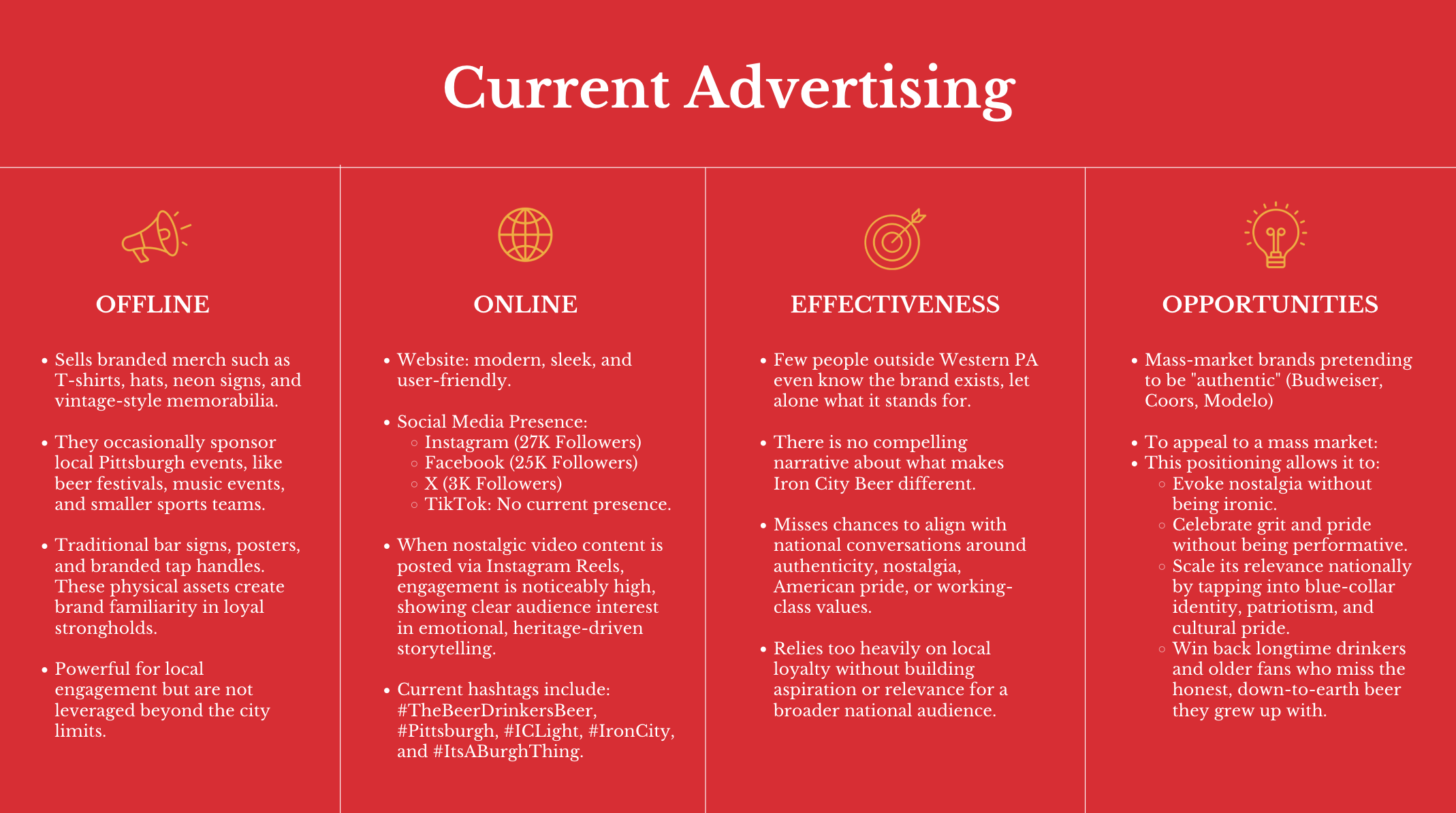
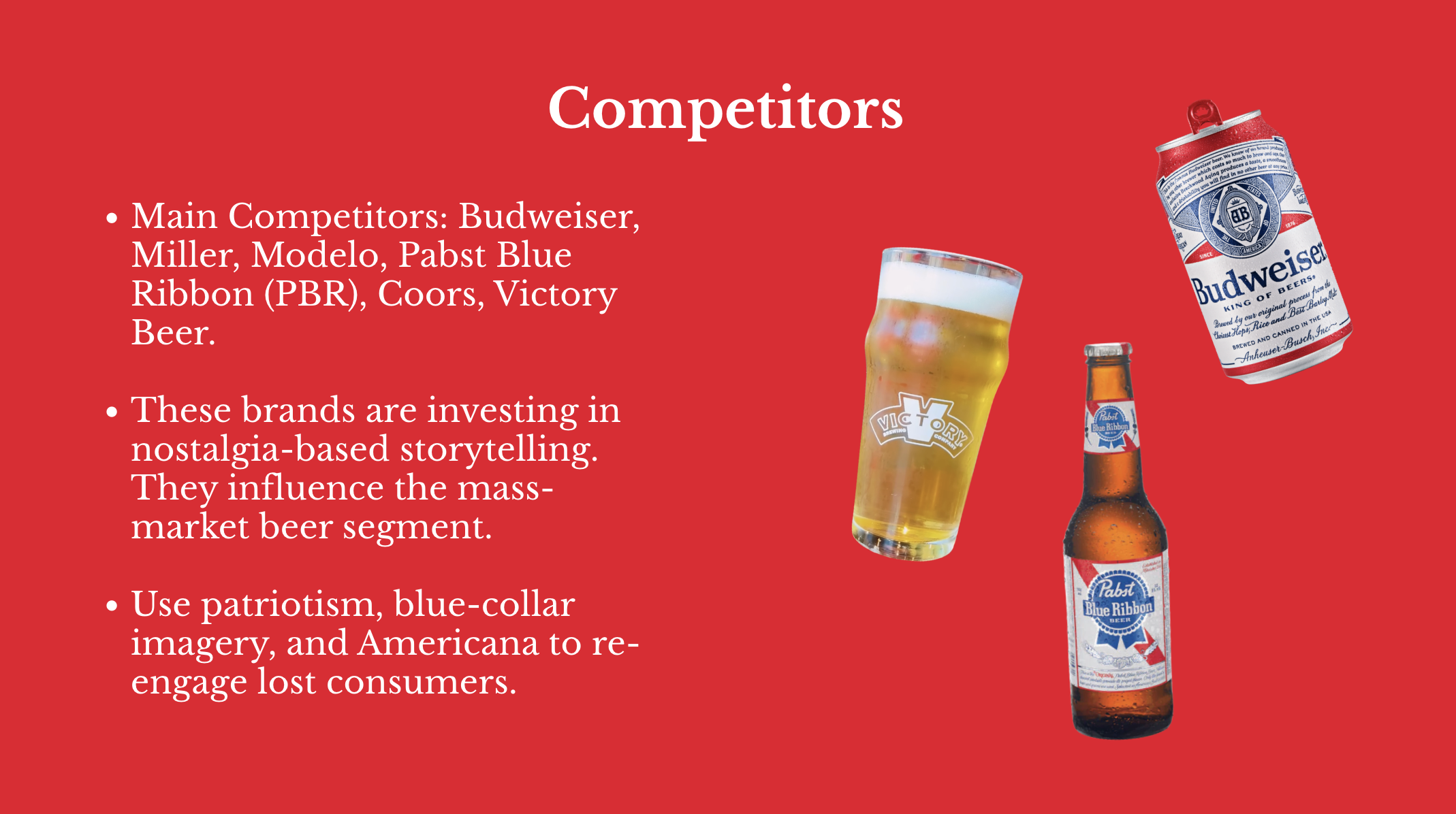
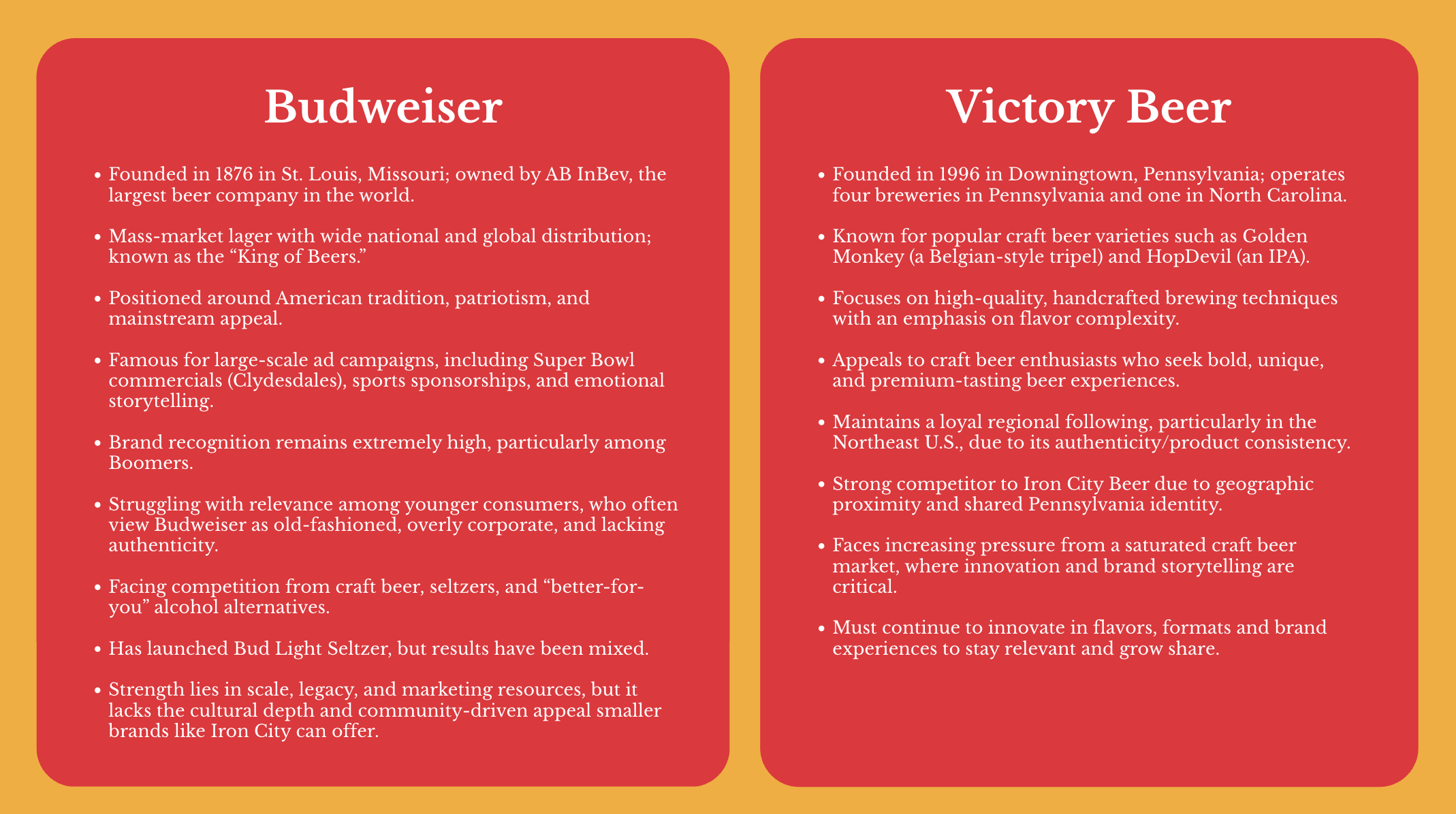
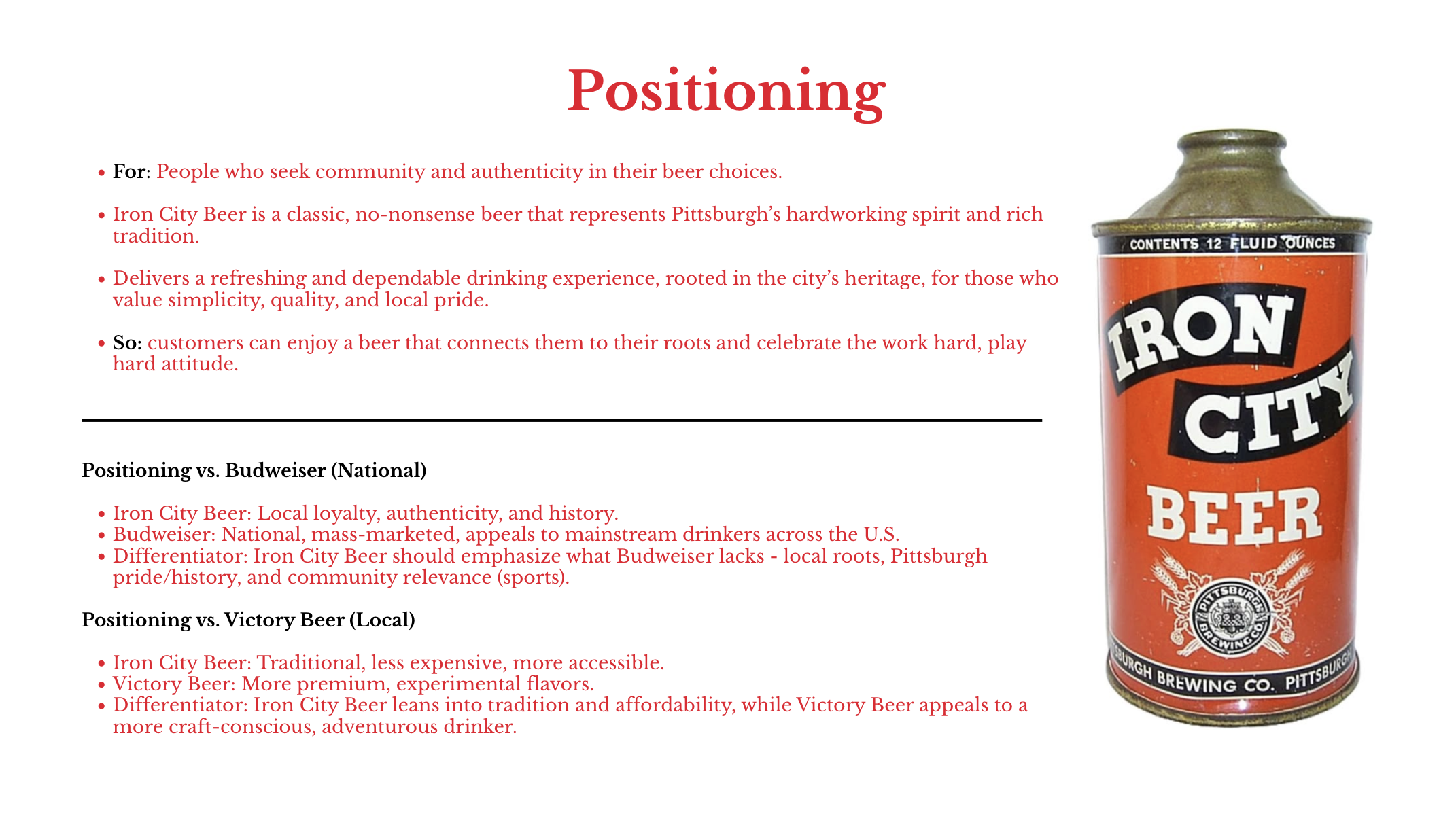
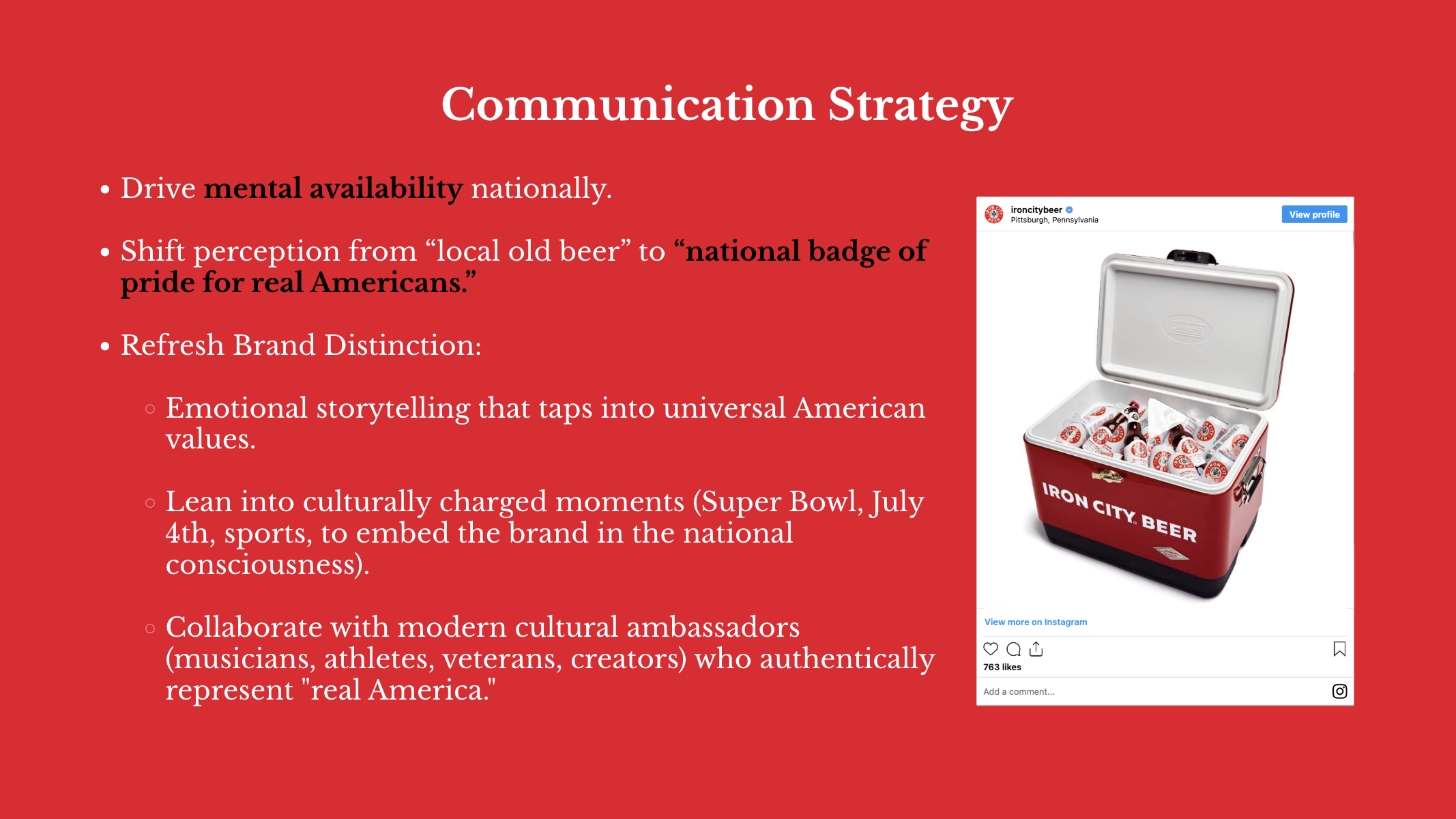
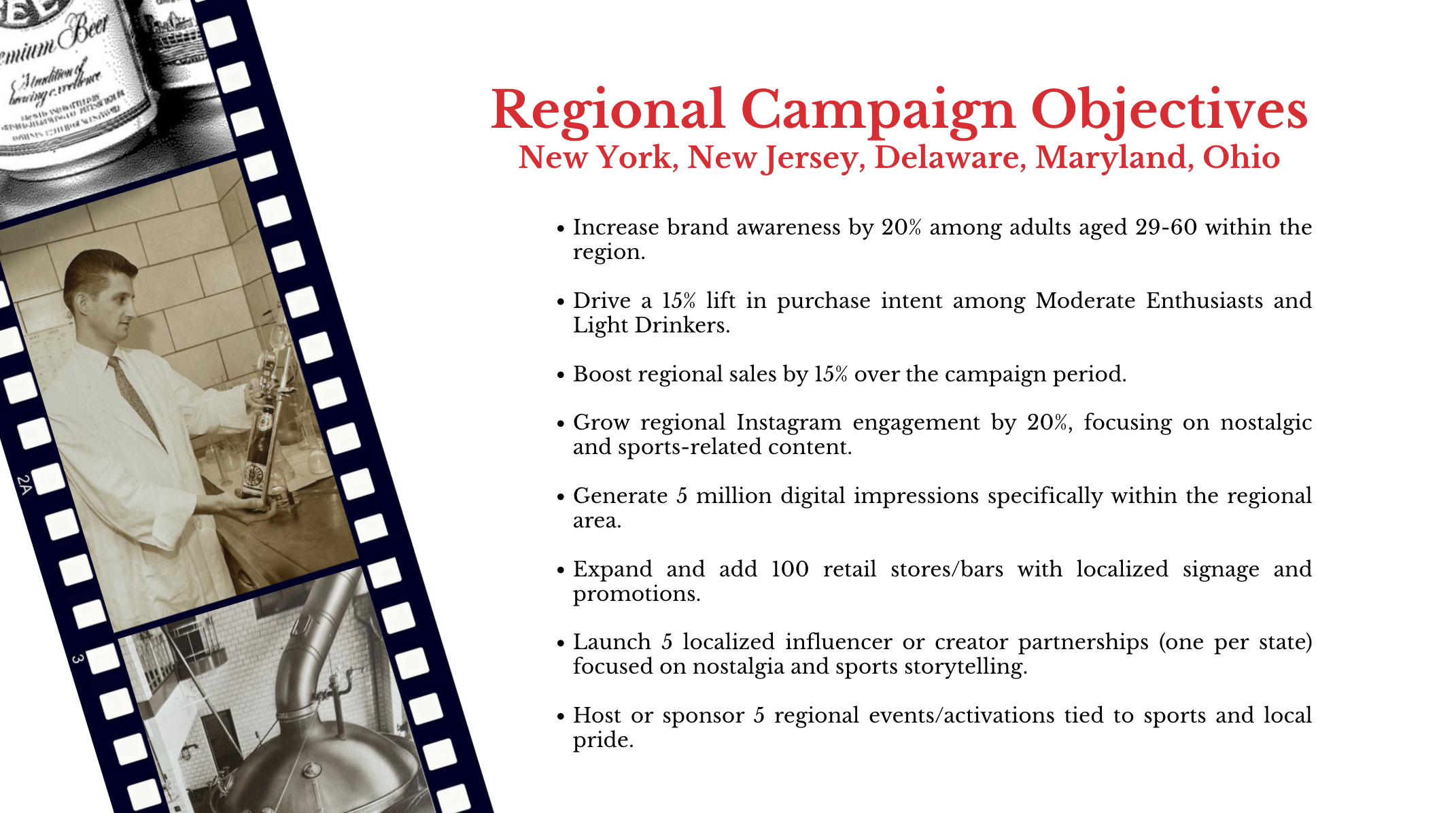
From a strategic standpoint, the project deepened my understanding of how legacy brands can remain culturally relevant in a fragmented digital landscape. Iron City Beer faces real competitive pressure from national brands like Pabst Blue Ribbon and Budweiser, as well as craft brands like Victory Beer and the growing hard seltzer category. Navigating that landscape required me to think carefully about brand positioning, leaning into Iron City’s authenticity, blue-collar heritage, and Pittsburgh pride rather than competing on trend alone. The transmedia storyline assignment was particularly instructive in this regard: developing ten narrative touchpoints across platforms like Facebook, TikTok, Instagram, X, and even physical activations like a 1970s-themed pop-up bar pushed me to think about how a single brand story can be told in dozens of different ways simultaneously, each tailored to the expectations and behaviors of a specific channel and audience.
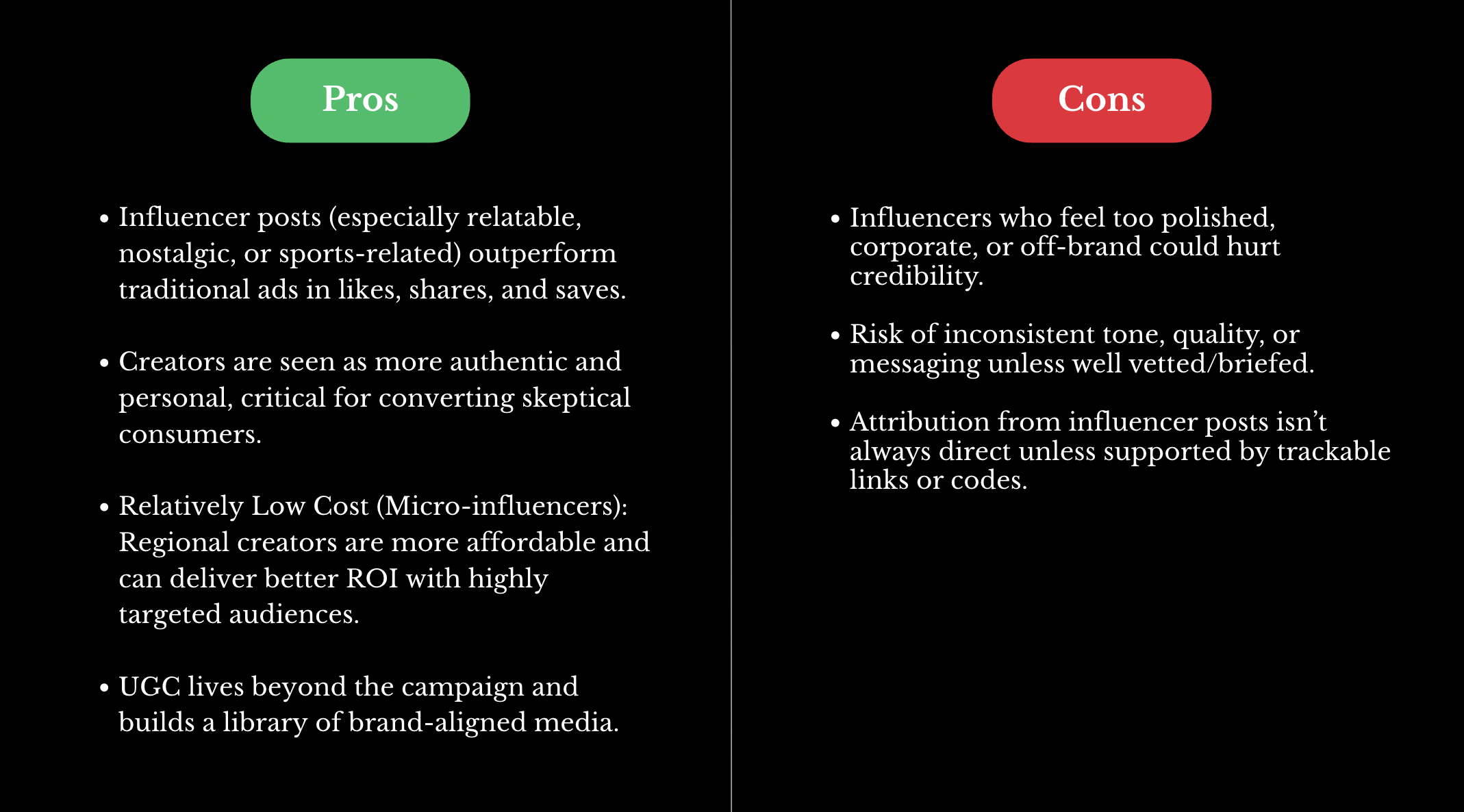
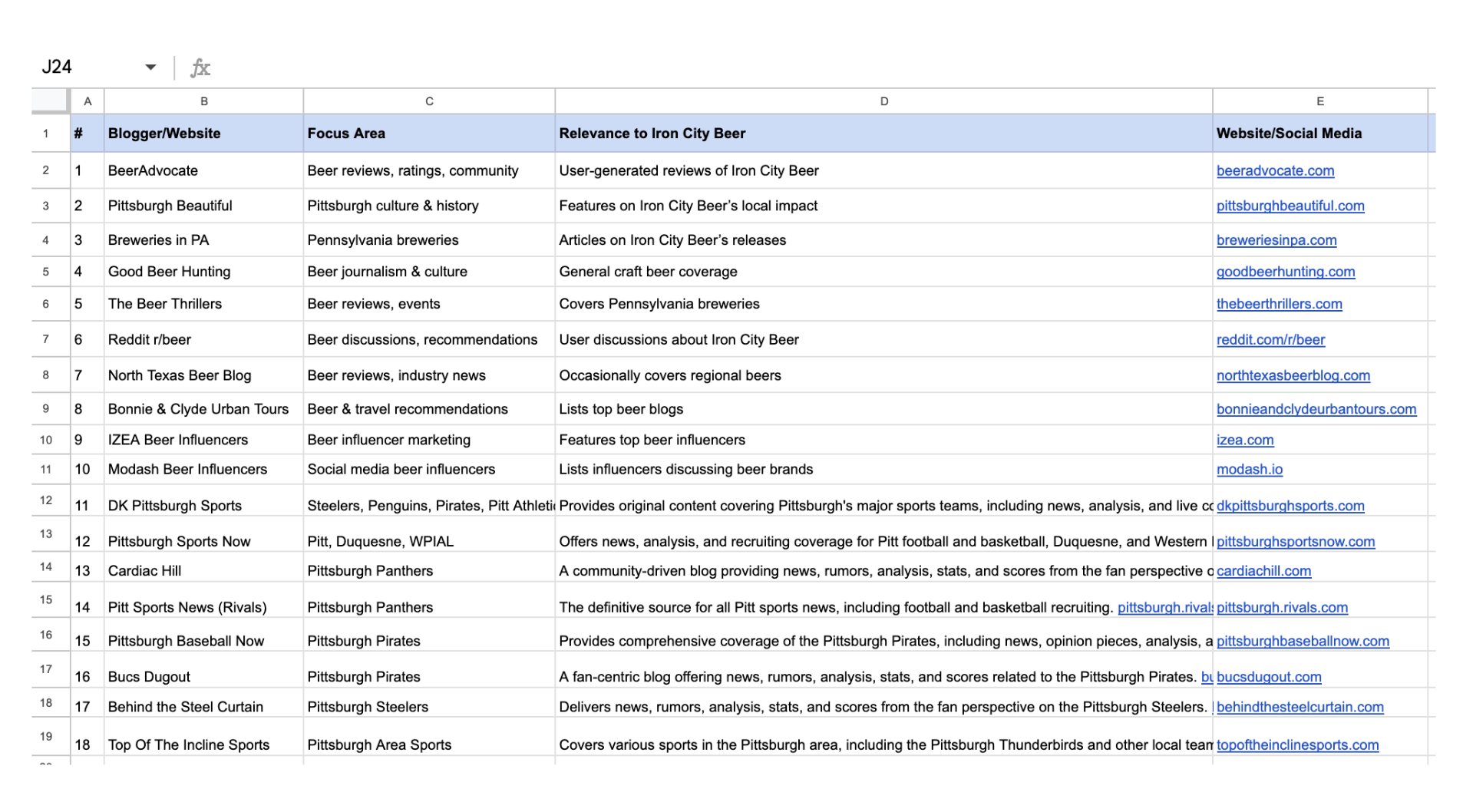
The influencer marketing component introduced me to the full spectrum of the creator economy, from mega-influencers like Pittsburgh native Pat McAfee (5 million+ followers) down to nano-influencers like Pittsburgh Riverhounds soccer player Jorge Garcia (5,000 followers on TikTok). Researching and justifying each influencer tier reinforced how reach and relevance are not the same thing: a highly engaged micro-influencer in a niche local market can deliver greater authenticity and trust than a national celebrity with passive followers. The final social media plan synthesized all prior research into a platform-specific content calendar, including a newly proposed TikTok presence for Iron City Beer, podcast integrations via YouTube, and weekly Facebook series designed to drive nostalgia and community engagement. Taken together, this case study gave me hands-on experience thinking like both a researcher and a strategist-skills I look forward to applying across future brand and agency work.